Financial Literacy for Every Indian Series Building Your Emergency Fund Your First Line of Financial Defense
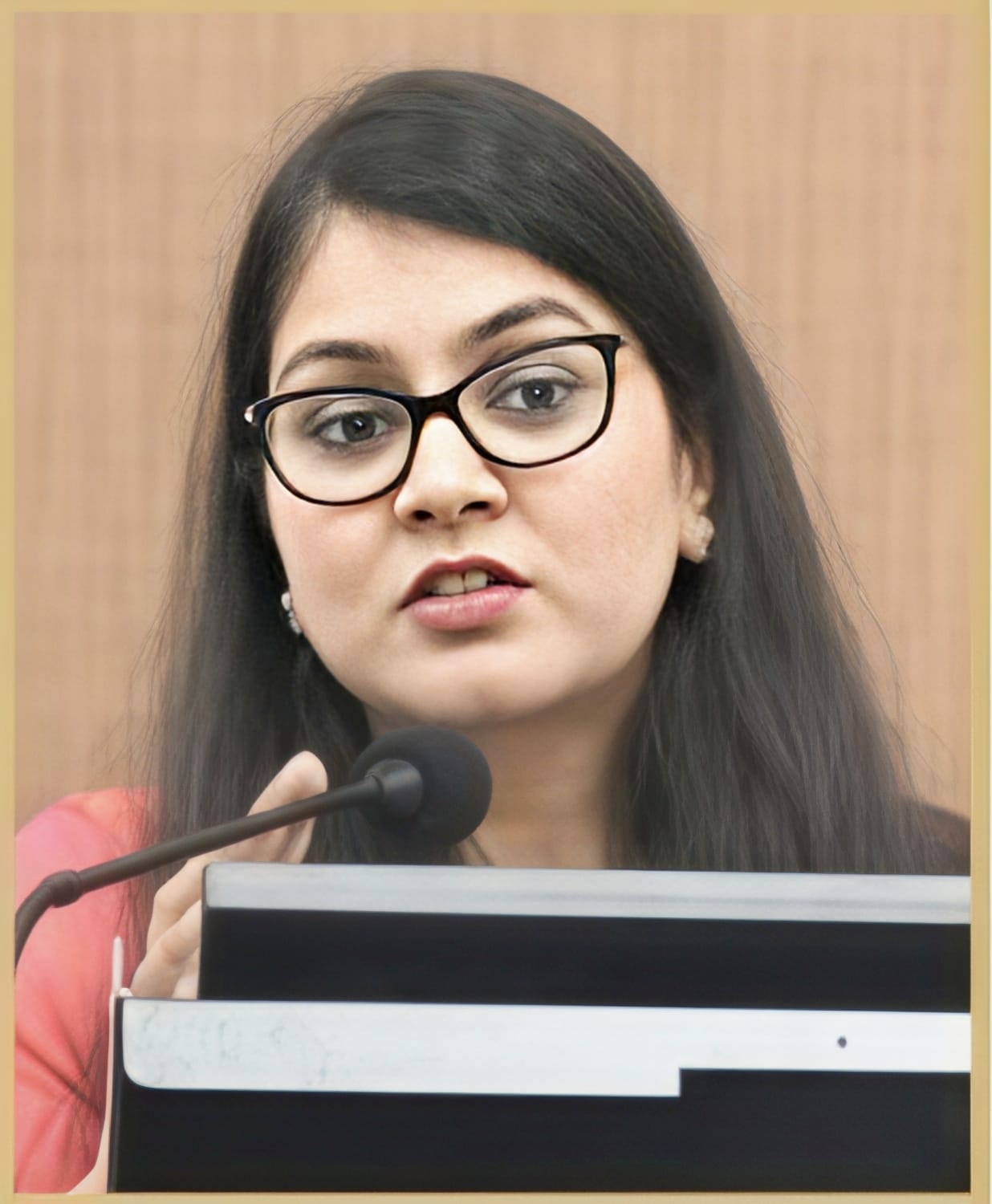
Hon. Dimple Mittal
Expert Guide Financial Literacy
“An emergency fund doesn't just protect your money it protects your peace of mind.”
The Unseen Shield: Why Every Indian Needs an Emergency Fund
Financial stability isn't built on high income it's built on preparedness. In a country where medical emergencies, job instability, and unpredictable expenses are common, an emergency fund acts like a personal insurance policy you create for yourself.
Budgeting gives direction to your money.
An emergency fund gives your life stability.
What Exactly Is an Emergency Fund?
An emergency fund is a dedicated amount of money set aside only for unexpected life events-loss of income, medical costs, urgent home repairs, or travel emergencies.
It is not for vacations, offers, wedding shopping, or impulse buying.
The Goal:
To ensure that life's surprises don't pull you into debt.
Fact Box: Why You Need One
80% of Indian households face at least one unexpected expense each year.
Yet only 27% have funds set aside for emergencies.
Medical costs push nearly 55 million Indians into financial distress annually
How Much Should You Save?
Experts recommend:
Minimum Target: 3 Months of Living Expenses
Best for: Students, first-jobbers, single earners.
Ideal Target: 6 Months of Living Expenses
Best for: Families, dependents, EMI commitments.
Safety Target: 9-12 Months
Best for: Freelancers, gig workers, entrepreneurs.
Sidebar: A Quick Formula for Everyone
Your Monthly Essentials Number of Months You Want Covered
Essentials include rent, groceries, EMIs, utilities, transport, insurance, school fees.
Example:
Rs.30,000 necessities × 6 months Rs.1,80,000 target
emergency fund.
Story: Rohit's Wake-Up Call
Rohit, a 29-year-old sales executive, always believed he was "financially comfortable." His salary came on time, his lifestyle was manageable, and he didn't feel the need to save beyond a basic SIP.
But one unexpected fracture during a bike accident changed everything.
A minor surgery, 20 days without work, and no income cushion meant he borrowed Rs. 45,000 from friends and relied heavily on his credit card-leaving him stressed for months afterward.
That week, Rohit made a simple promise to himself:
He would create an emergency fund before anything else.
He started small-Rs. 2,500 a month. Within 18 months, he built a Rs.45,000 safety cushion. Today, even with fluctuating incentives, he remains worry-free.
"My emergency fund didn't just protect my finances it restored my confidence."
Where Should You Keep Your Emergency Fund?
It must be safe, liquid, and separate from regular spending.
Best Options:
High-Interest Savings Account (quick access + interest)
Sweep-in FD (automatic transfer with better returns)
Liquid Mutual Funds (ideal for 6-12 month reserves)
Avoid:
- Equity funds
- Stocks
- Long-term FDs
- Cash lying at home
Your goal is stability, not returns.
How to Build It Even If You Earn Less
1. Start Small-But Start Now
Even Rs. 500 a week creates momentum.
2. Automate Transfers
Treat it like a monthly bill to yourself.
3. Channel Irregular Income
Bonuses, incentives, festival gifts add 20-30% to your fund.
4. Cut "Non-Essentials with No Emotional Value"
Subscriptions, premium OTTs, weekend food orders.
5. Sell What You Don't Use
- Unused gadgets, old tech-turn clutter into security.
- Highlight Box: Where Most People Go Wrong
- Using a savings account but dipping into it frequently
- Linking the fund card to UPI apps
- Leaving money in cash
- Keeping it in risky investments
- Waiting for "the right month to start"
Emotional Side: The Psychology Behind an Emergency Fund
Money problems don't start in numbers they start in emotions.
Relief knowing you're protected
Confidence to make better decisions
Control over crises that derail others
Freedom from fear of job loss or medical surprises
It shifts your mindset from:
"What will I do if something happens?"
to
"I'm prepared for whatever comes."
Fact Box: Start Early, Save More
If you save Rs. 3,000 per month, you'll build:
Rs. 36,000 in 12 months
Rs. 1.1 lakh in 3 years
Rs. 2.5 lakh in 6 years
(Assuming 6-7% return on low-risk instruments)
A Beginner's 4-Week Action Plan
Week 1: Calculate Your Monthly Essentials
Rent + groceries + utilities + EMIs+ travel.
Week 2: Set Your Target
Choose 3, 6, or 12 months.
Week 3: Open a Separate Emergency Fund Account
Choose safe, liquid options.
Week 4: Automate Your First Transfer
Even Rs. 1,000 is a start.
"Financial freedom doesn't begin with investing it begins with protecting."
Conclusion: Your Emergency Fund Is Your First Superpower
This fund isn't just a financial tool-it's a life stabilizer.
It ensures that when life surprises you, your finances don't collapse.
It gives you the freedom to take risks, plan better, and protect your family without fear.
Build it slowly. Build it consistently. Build it for yourself.
Coming Next (Article 4):
"Mastering Your Cash Flow - The Art of Making Money Work for You."

युवकांसाठी
करिअर
कट्टा
मासिक
February 2026
14