Helping young people start businesses, learn new skills, and earn a living in their own villages — by combining practical education with real social work across Maharashtra.
Our Initiatives
Building Skills. Creating Opportunities.
Explore our CSR programmes that connect education with entrepreneurship, practical training and sustainable livelihoods.
01 · Learn by Running a Real Business
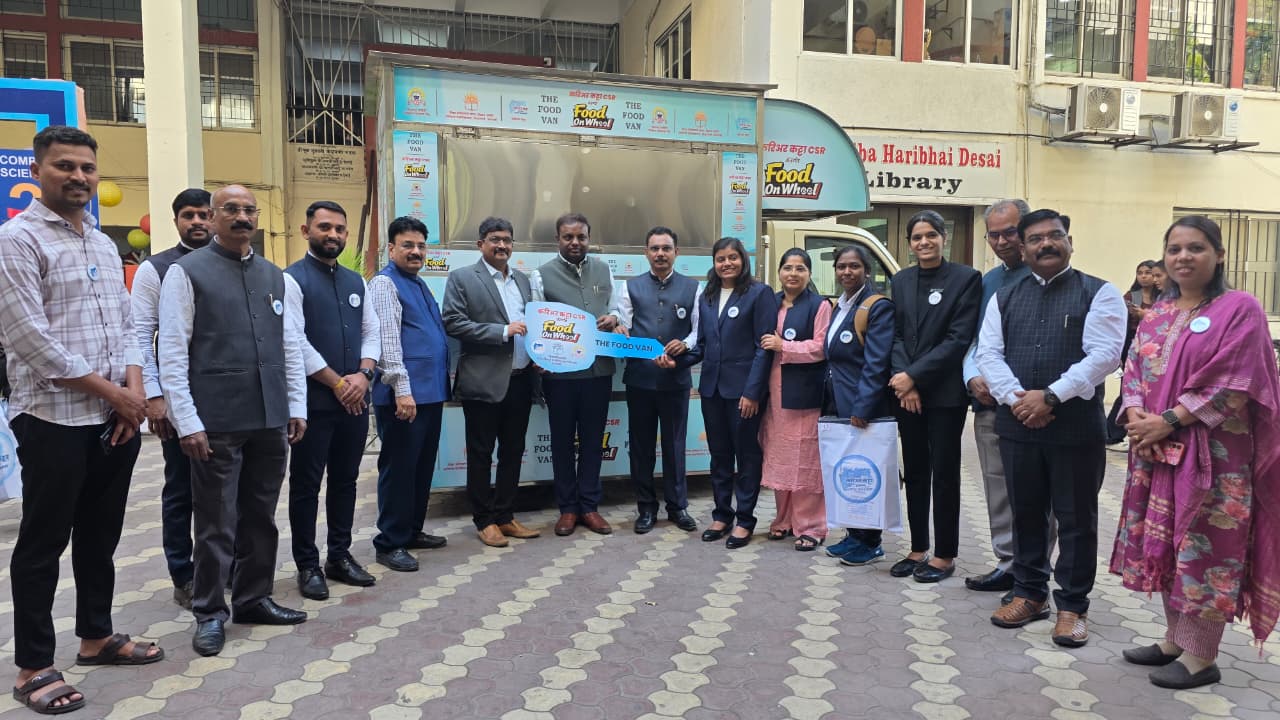
Food Vans on College Campus
Under Career Katta, we place Food Vans inside college campuses. Students don't just study business — they actually run one. This gives them real experience before they step out into the world.
Earn While You Study
Students handle cooking, stock, and selling by themselves. This builds their confidence and teaches them how to run their own business.
Starting Small, Growing Big
Already started in Nagpur, Pune, and Mumbai, with a plan to set up at least 5 food vans in every district of Maharashtra.
02 · Helping Farmers & Students Earn More
‘Madhur Kranti’ — The Honey Revolution
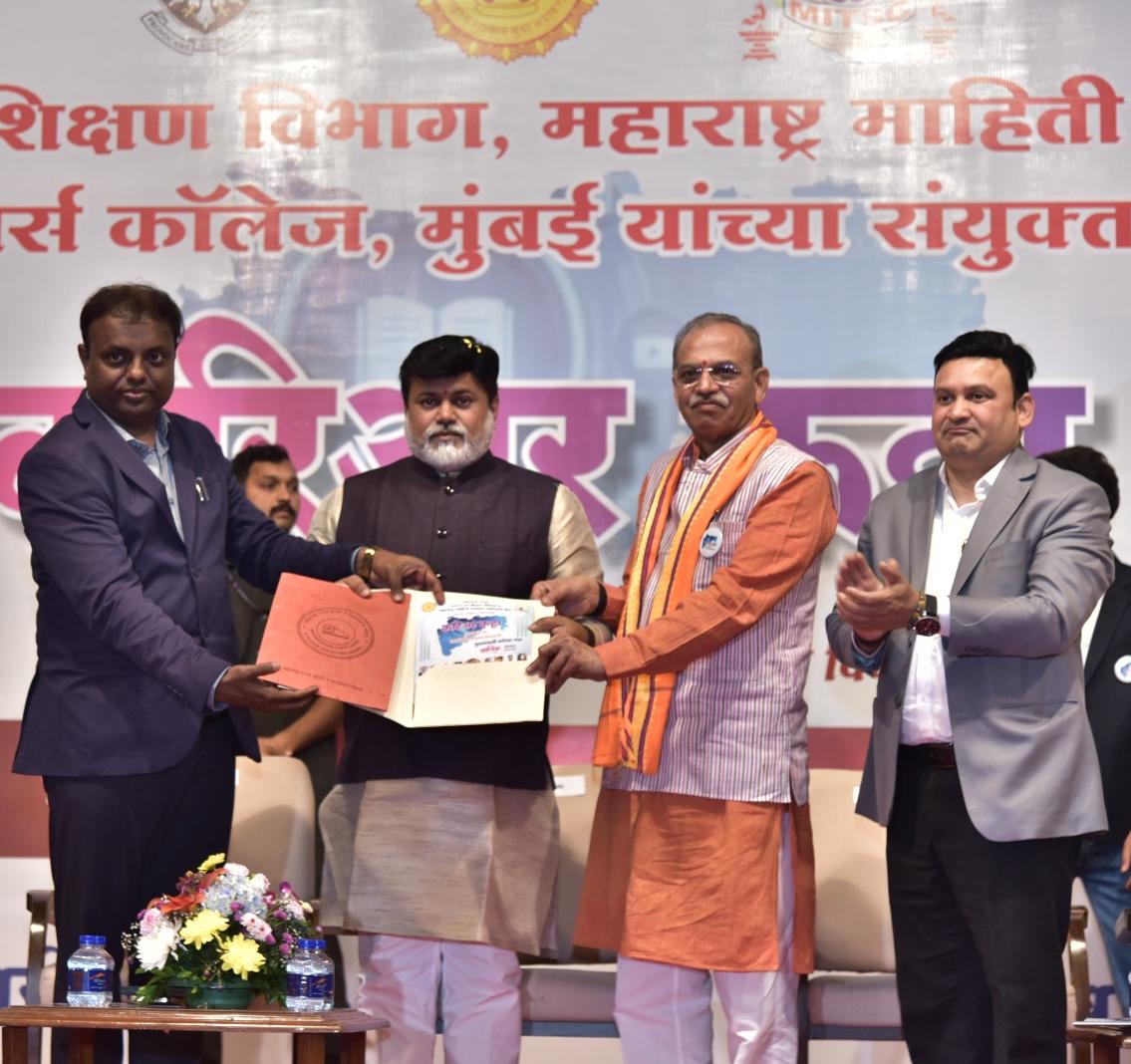
A joint project by Khadi and Village Industries Board (KVIB) and MITSC. It teaches students and farmers how to do beekeeping in a proper, scientific way to earn extra income.
Hands-On Training with Real Equipment
Not just classroom lessons — each college gets 25 bee-boxes, across 100 colleges in the state, so students can learn by actually doing it.
Good for Students and Farmers
Every year, over 35,000 to 40,000 students learn beekeeping skills. This also helps local farmers grow better crops and earn more money.
What We Want to Achieve
Our Three Main Goals
How the government and colleges are working together to help students, farmers, and villages grow stronger.
Connect Studies with Real Work
Help students use what they learn in class in real business situations — so they become job creators, not just job seekers.
Strong Support from Colleges
College Principals and Coordinators play a big role — their active support makes sure these programmes actually reach students on the ground.
Better Life for Villages
Using MITSC's tech tools to track progress and help rural families build a steady, eco-friendly income for the long term.