Quarterly Review Meeting - Chatrapati Sambhajinagar Region
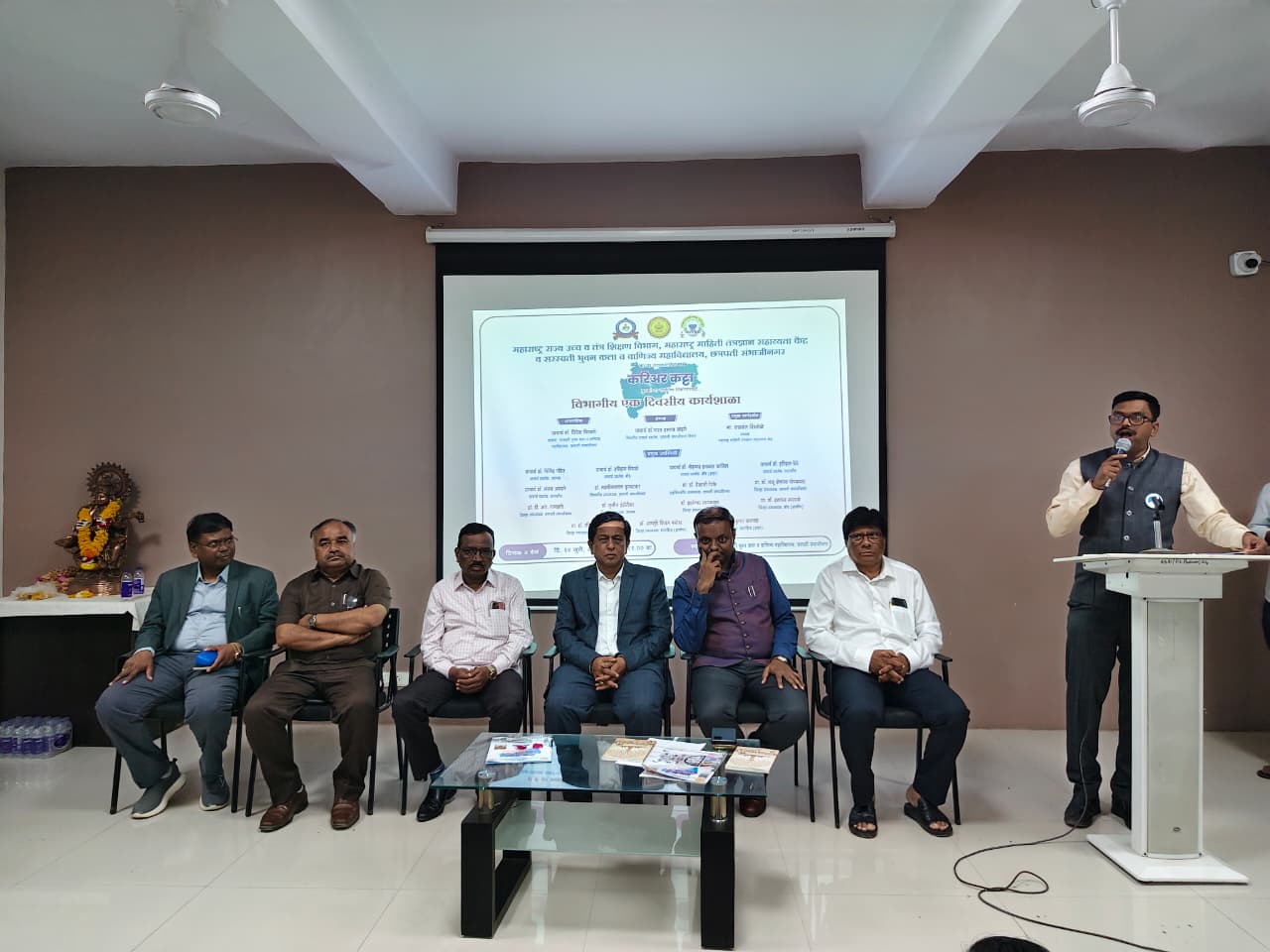
The Divisional One-Day Workshop of 'Career Katta' was successfully organized in an enthusiastic and disciplined environment, jointly hosted by the Department of Higher and Technical Education, Government of Maharashtra, Maharashtra Information Technology Assistance Centre (MITAC), and Saraswati Bhavan Art and Commerce College, Chhatrapati Sambhajinagar.
The primary objectives of this workshop were to plan the various activities to be implemented under Career Katta for the academic year 2026-27, make divisional and district-level coordination more effective, design new initiatives for the holistic development of students, and provide necessary direction and guidance to the coordinators.
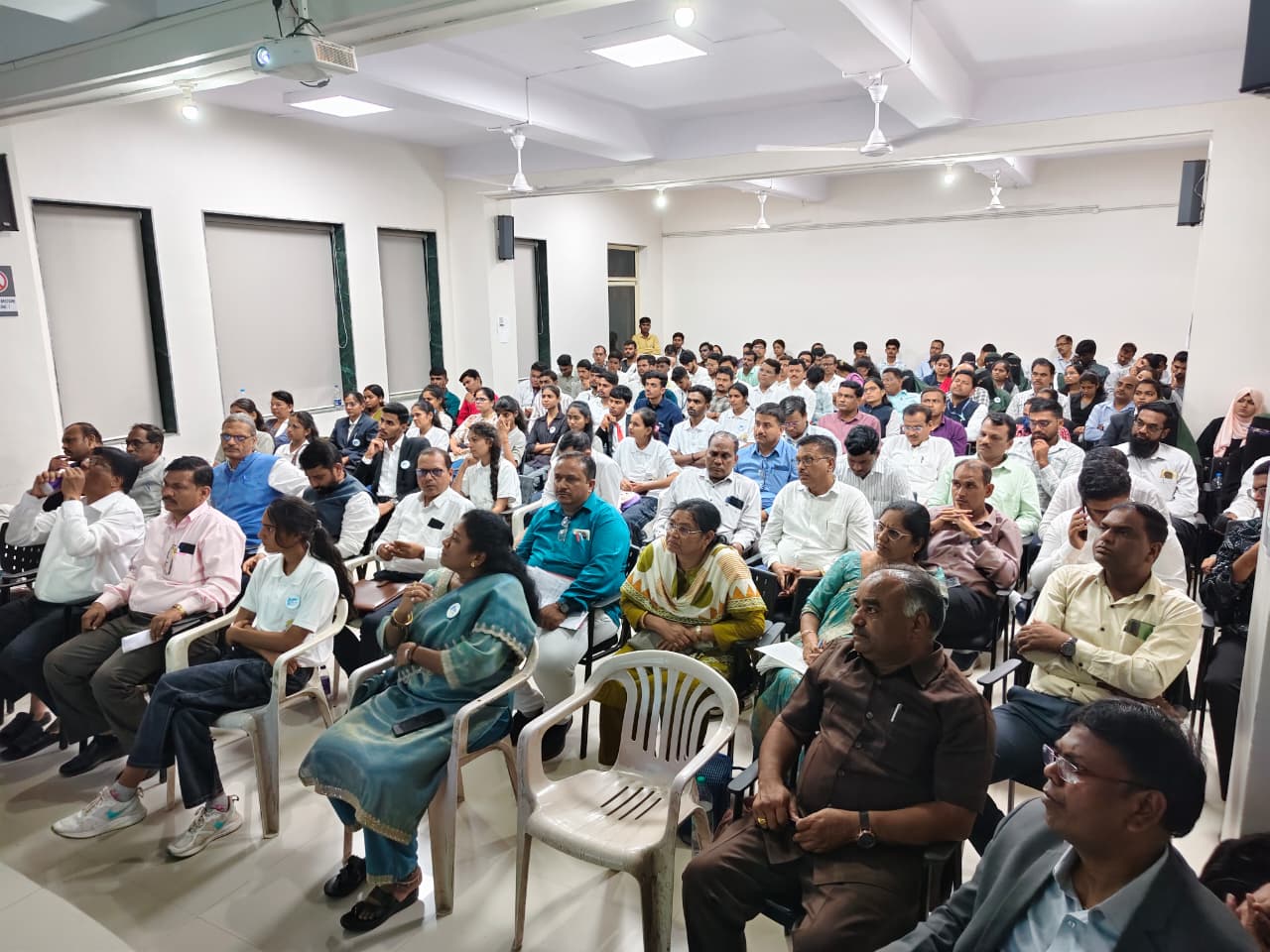
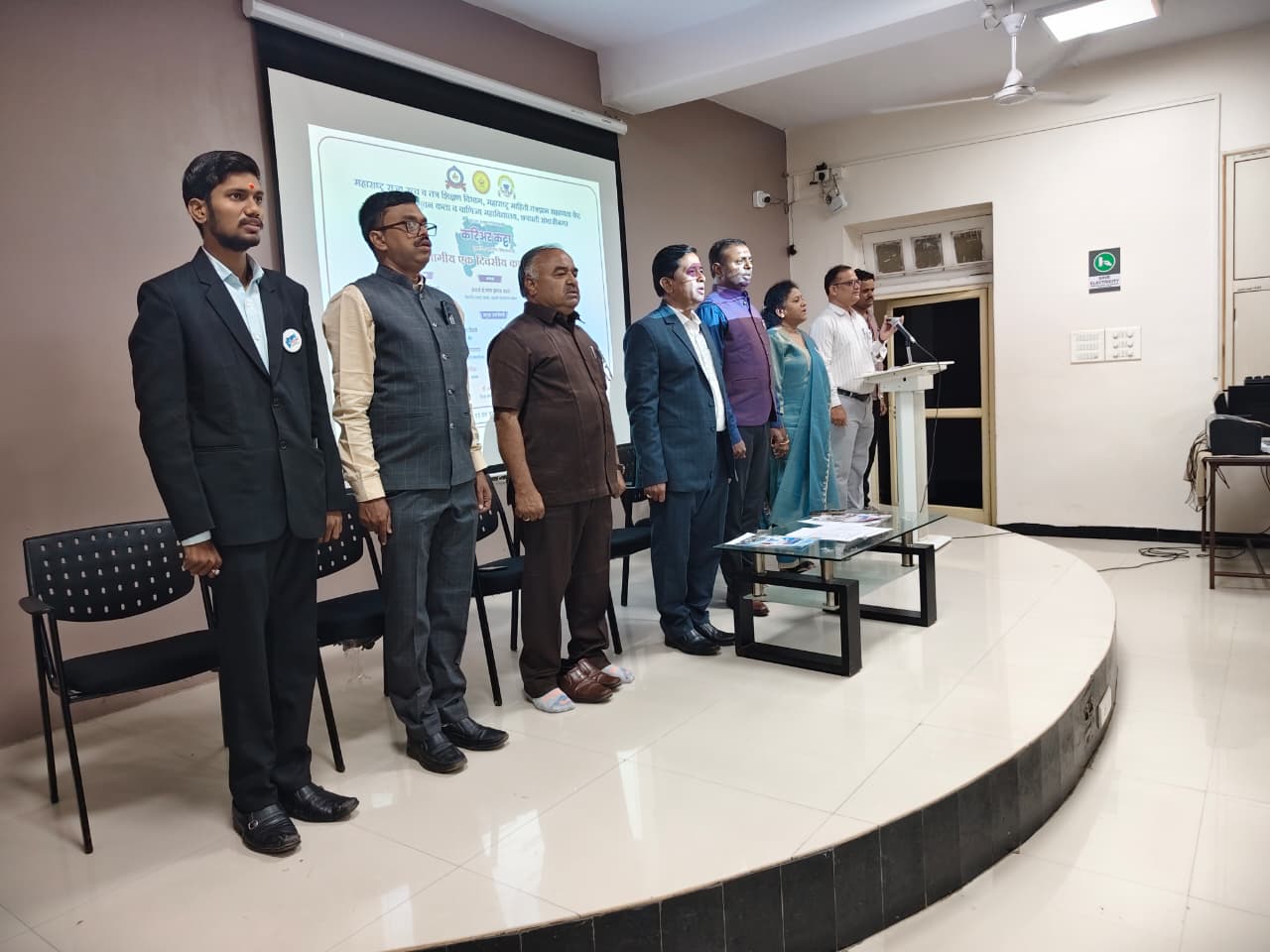
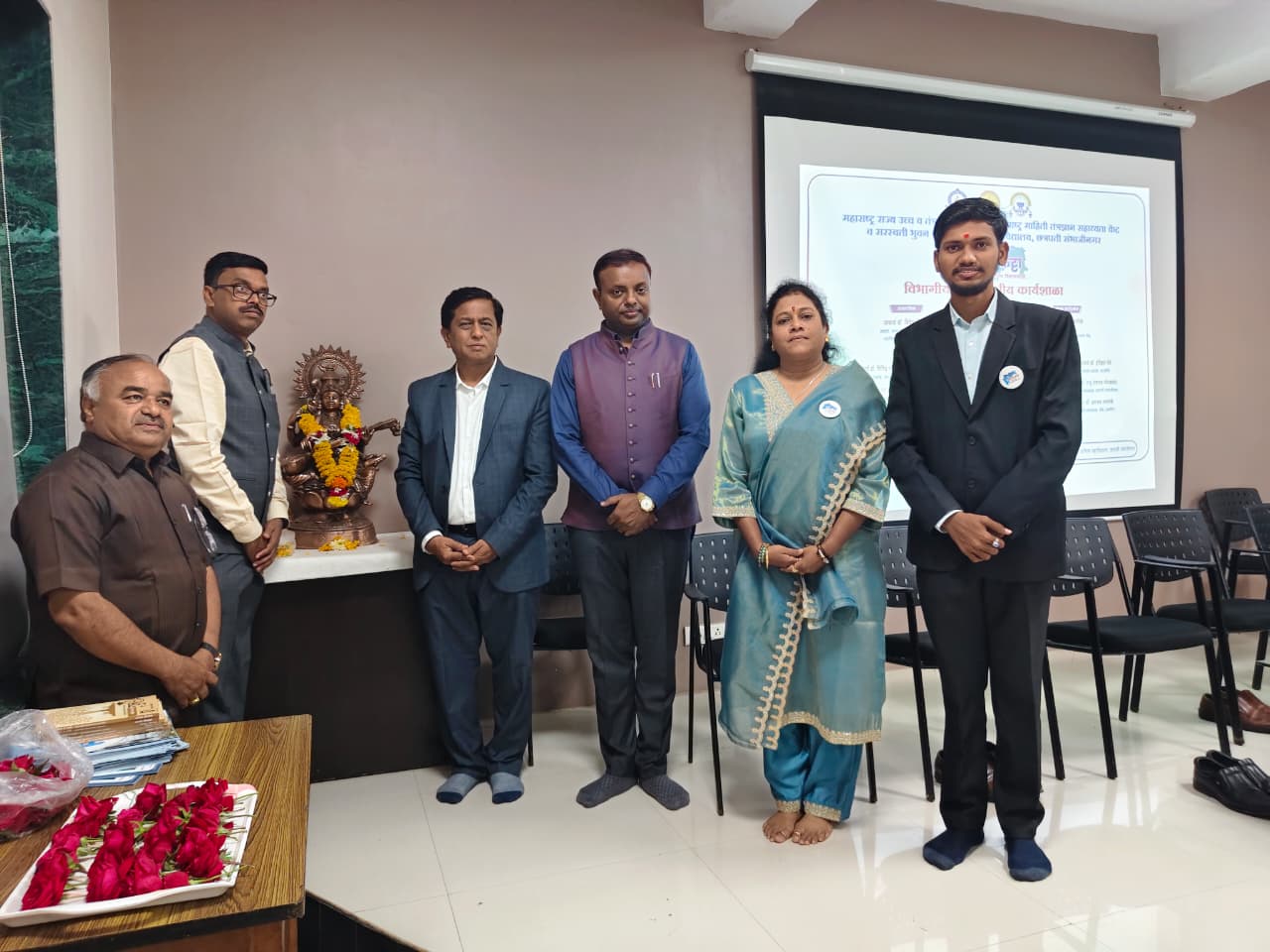
The program commenced with the state song "Jai Jai Maharashtra Maza," followed by the felicitation of all the dignitaries with floral bouquets. The presence of principals, district coordinators, taluka coordinators, senior professors, and Career Katta coordinators from various districts of the division created an atmosphere of great enthusiasm in the hall.
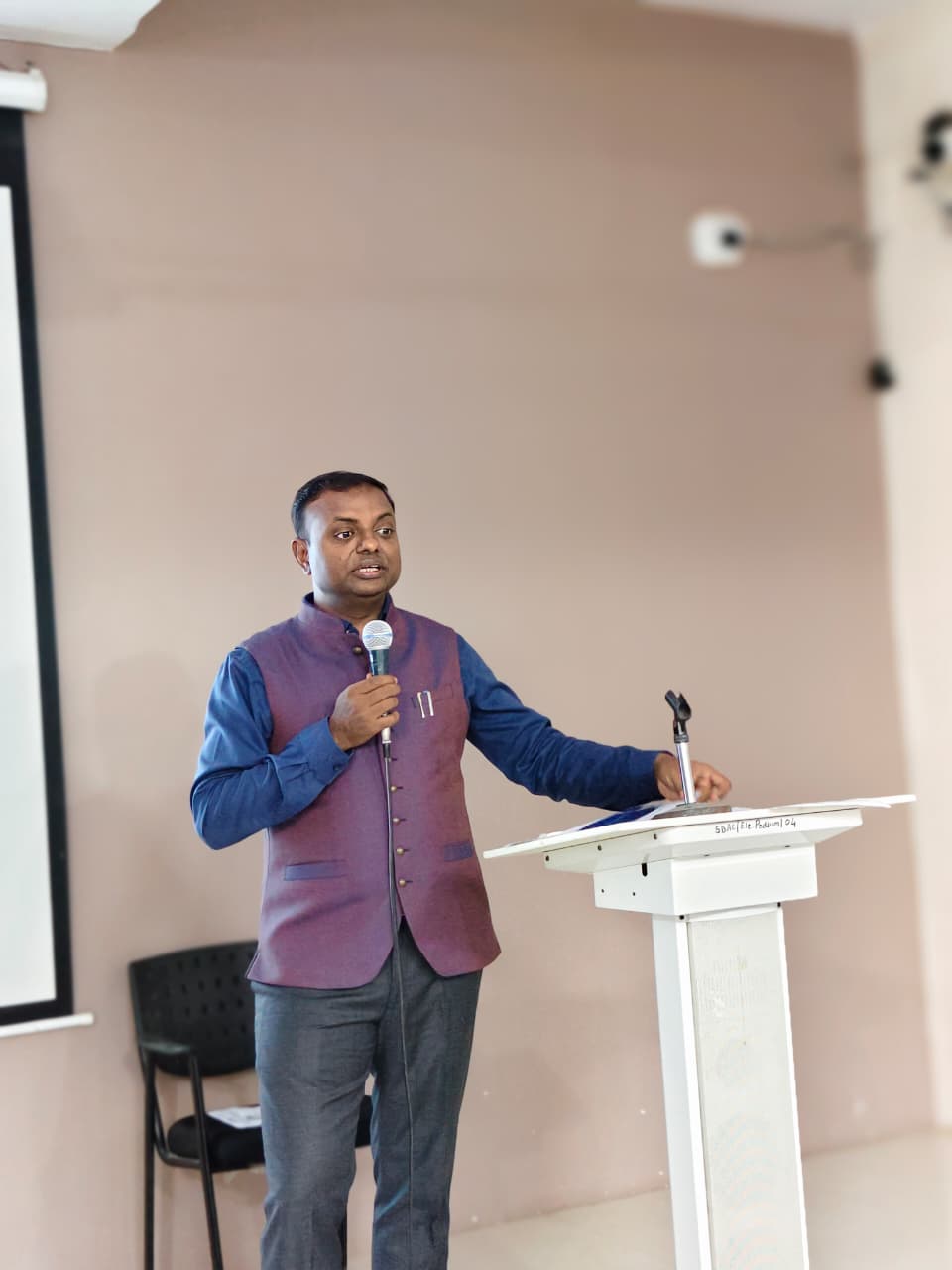
While delivering the introductory speech, Principal Dr. Vivek Mirgane stated that Career Katta is a crucial initiative for students' personality development, leadership skill enhancement, employment-oriented skill development, as well as fostering research and entrepreneurship. He noted that in alignment with the National Education Policy (NEP) 2020, Career Katta serves as an effective medium to cultivate skill development, innovation, startup culture, a passion for research, and social accountability among students. He also appealed to all colleges in the division to implement the initiatives in a well-planned manner.
Following this, the key guide of Career Katta, Shri Yashwant Shitole, delivered a comprehensive guidance session. He presented all the initiatives to be implemented in the upcoming academic year, clarifying the objectives, implementation methods, and expected outcomes of each initiative.
First, discussions were held regarding the organization of the divisional Startup Summit. To foster entrepreneurship among students, it was decided to organize a grand divisional Startup Summit aimed at promoting the startup ecosystem, expert guidance from the industry, experiences of successful entrepreneurs, drafting business models, financial assistance opportunities, coordination with incubation centers, and encouraging novel ideas.
Next, discussions took place regarding the Pre-Avishkar Orientation Workshop. Planning was established to provide necessary guidance on research topic selection, research methodology, research writing, presentation skills, poster presentation, research ethics, and preparation for the Avishkar competition to cultivate a research culture among students. Every college was appealed to encourage students and ensure maximum participation in research activities.
Detailed information was shared about the Faculty Development Programme (FDP) scheduled to be held from 27th July to 1st August. It was stated that this training will cover modern teaching technologies, Artificial Intelligence (AI), the use of digital tools, student-centric teaching methodologies, research capacity building, academic quality enhancement, and the effective implementation of the National Education Policy.
Following this, discussions were held concerning the Induction Awareness Week. A decision was taken to implement special activities to familiarize first-year entrants with the college environment, as well as to provide information on Career Katta, NSS, Student Development Board, various scholarship schemes, employment opportunities, competitive examinations, personality development, skill development, and entrepreneurship.
A detailed framework was finalized for establishing various student clubs in every college under Career Katta, such as Innovation Club, Startup Club, Research Club, Reading Club, Leadership Club, Environment Club, Constitution Club, and Entrepreneurship Club. It was decided to conduct various continuous activities throughout the year through these clubs.
During the meeting, detailed discussions were held on organizing district-level student interactions and one-day workshops. Planning was set to provide students with expert guidance on career counseling, competitive exams, higher education, industry, startups, research, and diverse employment opportunities. It was decided to organize these workshops in every district within a specified timeframe.
Subsequently, detailed discussions took place regarding necessary restructuring in the District Planning Committee, selection of new members, distribution of responsibilities, and strengthening the coordination system. Regular meetings were mandated for every district.
Newly appointed taluka coordinators were felicitated with appointment letters and floral bouquets during the program. Similarly, newly appointed Chief Ministers (CMs) of Career Sansad, parliament office bearers, and coordinators were honored, expressing confidence that various student development initiatives will be carried out under their leadership.
In his presidential address, Principal Dr. Bharat Khandare remarked that Career Katta is not merely an employment-oriented initiative, but a comprehensive program that develops students' personality, leadership qualities, social responsibility, research mindset, innovation, and entrepreneurship. He emphasized that all colleges in the division should focus on mutual coordination, time management, and quality implementation to ensure every student connects with Career Katta.
The program was efficiently organized by Dr. Laxminarayan Kurupatwar and Dr. Vaishali Perke, who managed the time schedule exceptionally well. The anchoring of the event was handled by Dr. Panzade, while the vote of thanks was delivered by Dr. Popalghat, who heartily thanked all the dignitaries, principals, divisional and district coordinators, taluka coordinators, professors, staff, and participating delegates.
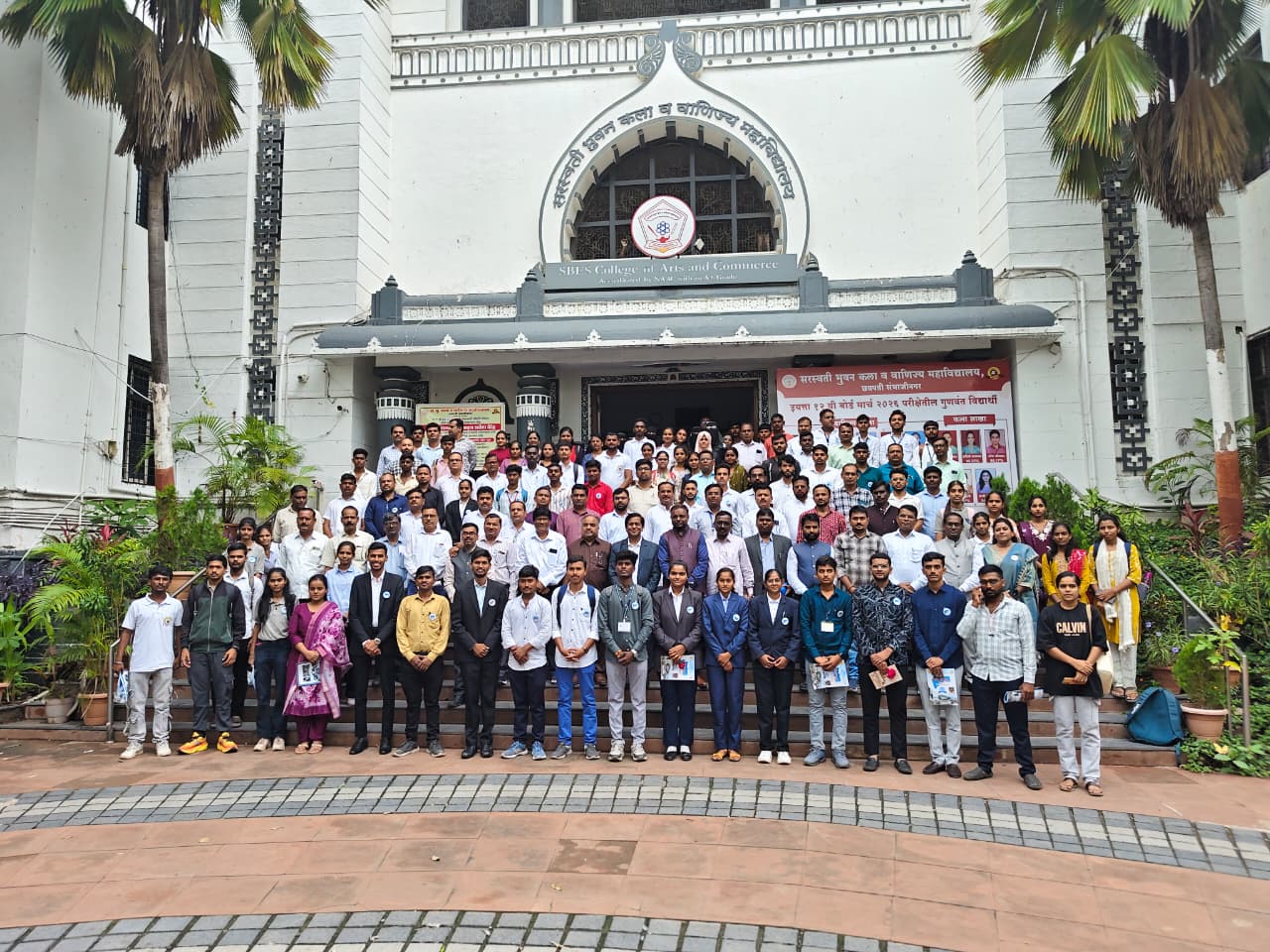
At the conclusion of the workshop, group photographs of all newly appointed Career Sansad Chief Ministers, office bearers, and dignitaries were captured. The workshop concluded on a delightful note with a delicious and high-quality meal.
All attendees expressed confidence that due to the meticulous divisional planning, Career Katta will function more capably, effectively, and student-centrically in the upcoming academic year. The best efforts to make this workshop a success were put forth by Divisional Coordinator Dr. Kurupatwar. It was strongly opined that the Career Katta division has always proven to be highly successful, inspiring, and fruitful in terms of innovation and student development.